
 中文简体
中文简体
Visszacsapó szelep vs Globe Valve: A legfontosabb különbségek magyarázata
A visszacsapó szelepek és a gömbszelepek alapvetően eltérő célokat szolgálnak egy csőrendszerben. A A visszacsapó szelep csak egy irányba engedi az áramlást, és megakadályozza az automatikus visszaáramlást , míg a A gömbszelep egy manuálisan vagy működtetővel működtetett eszköz, amelyet az áramlás fojtására vagy elzárására használnak . A nem megfelelő típus kiválasztása a rendszer hatékonyságának csökkenéséhez, a berendezés károsodásához vagy biztonsági kockázatokhoz vezethet.
Mindkettő megtalálható a vízkezelési, olaj- és gázipari, HVAC-, vegyipari feldolgozó- és energiatermelő iparágakban, de működési elveik, telepítési követelményeik és karbantartási igényeik jelentősen eltérnek egymástól.
Az egyes szelepek működése
Visszacsapó szelep működése
A visszacsapó szelep automatikusan működik a tárcsán vagy a golyón lévő nyomáskülönbséggel. Ha az elülső nyomás meghaladja az alsó nyomást, a szelep kinyílik és engedi az áramlást. Amikor a differenciálmű megfordul – a szivattyú leállása, a gravitáció vagy a rendszernyomás változása miatt – a szelep azonnal zár, hogy megakadályozza az ellenirányú áramlást. Nincs szükség külső működtetőre vagy meghajtásra.
A gyakori visszacsapó szelepek a következők:
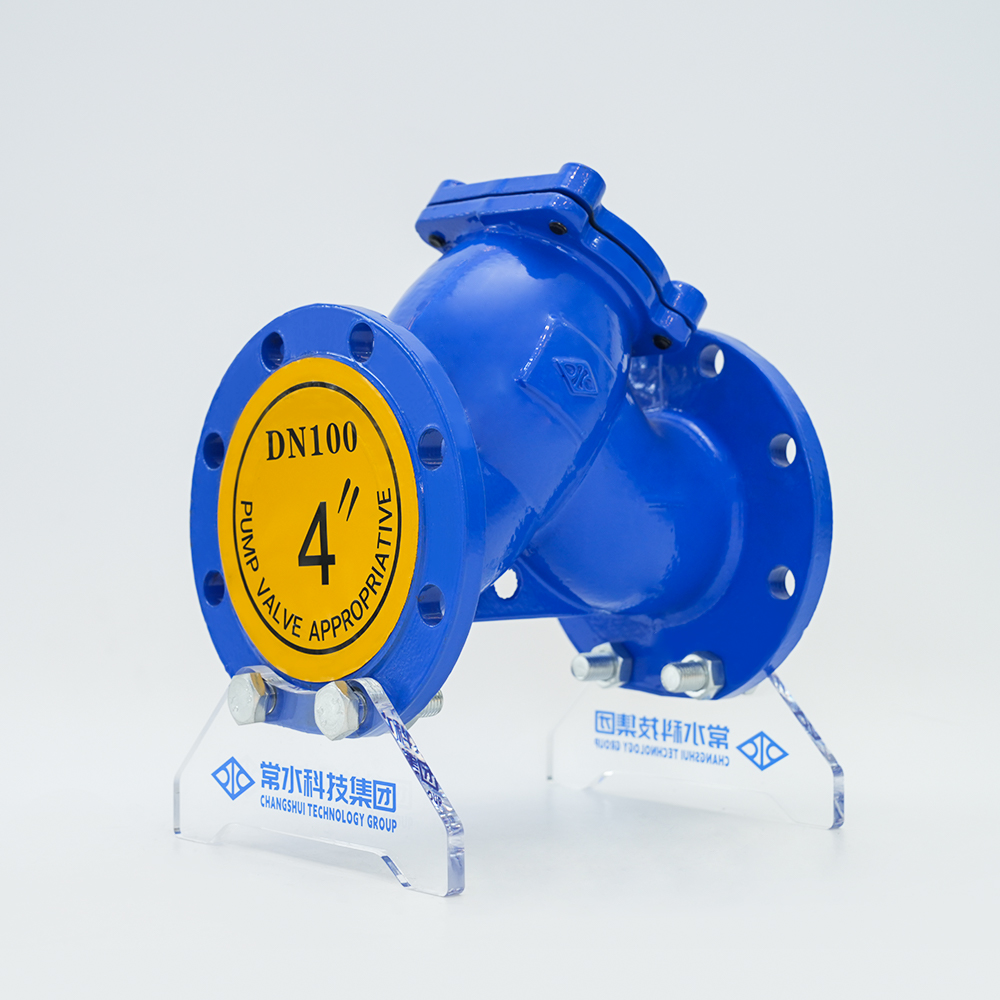
- Lengő visszacsapó szelepek — tárcsa csuklópánttal; mérsékelt áramlási sebességű vízszintes csővezetékekhez alkalmas
- Emelje fel a visszacsapó szelepeket — a tárcsa függőlegesen mozog; nagyobb nyomást is kezel, és gyakran használják gömbszelepek mellett
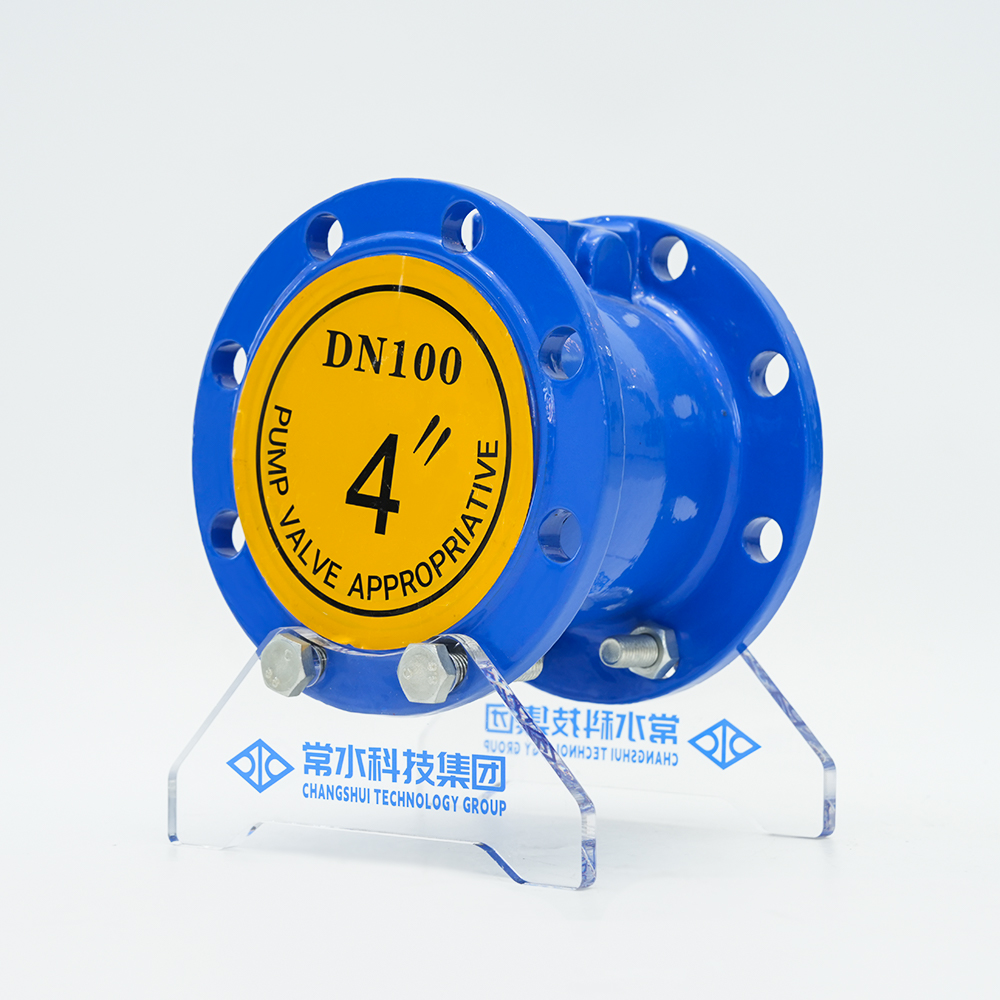
- Kétlemezes (ostya) visszacsapó szelepek – kompakt, rugóerős; szűkös helyű telepítéseknél előnyös
- Golyós visszacsapó szelepek – ideális iszapokhoz és viszkózus folyadékokhoz
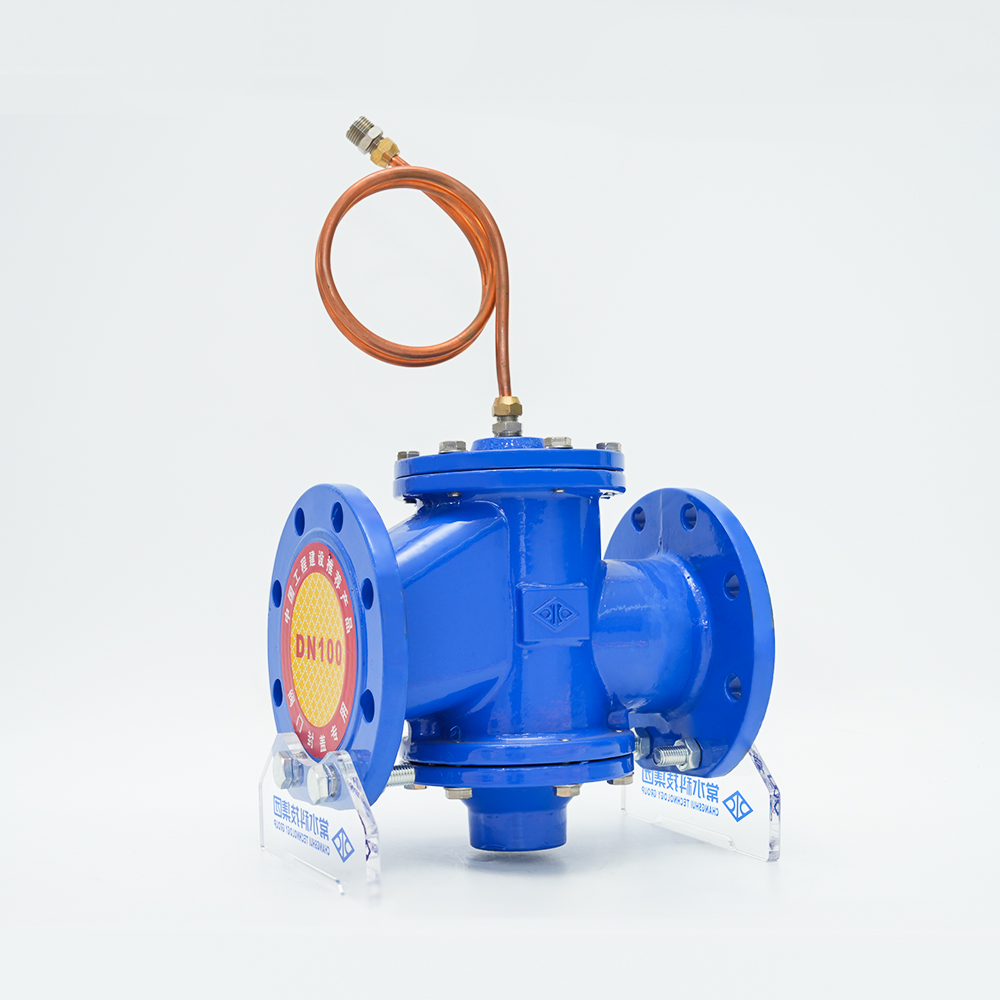
Globe Valve működése
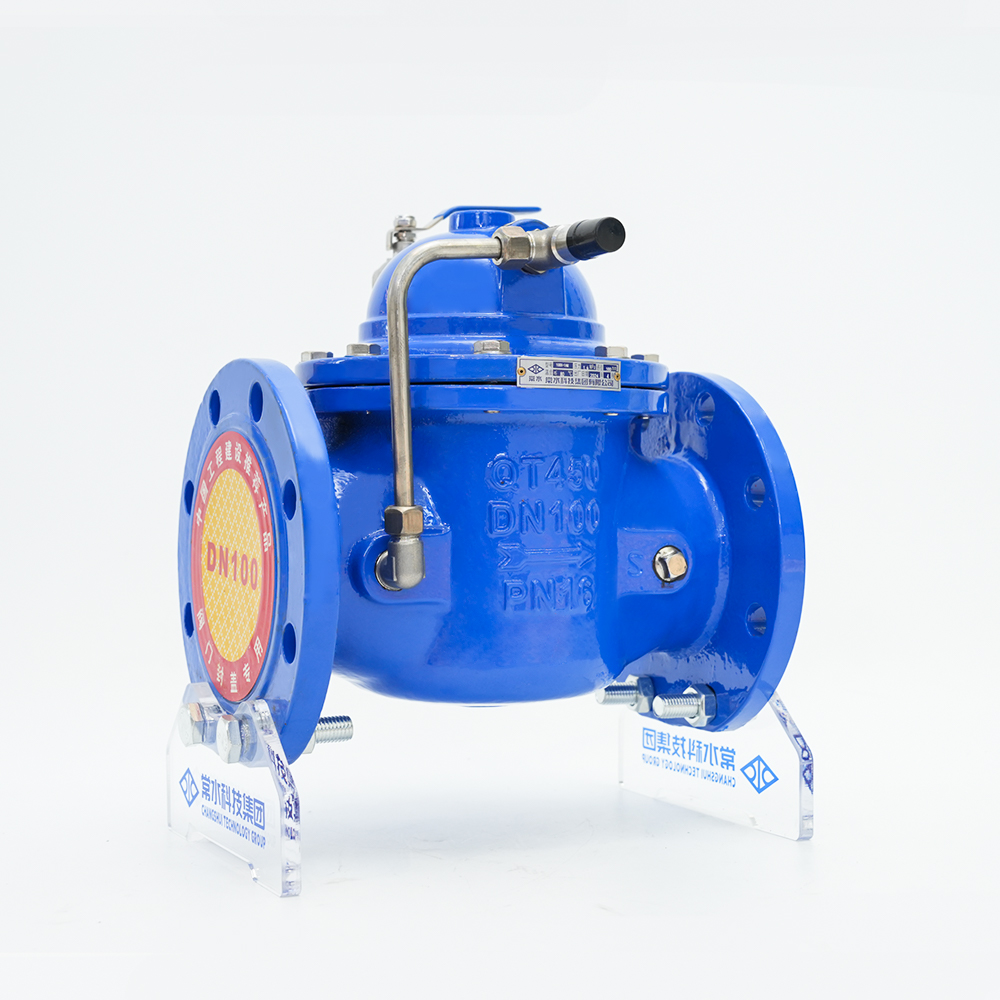
A gömbszelep mozgatható tárcsát vagy dugót használ, amely egy gömb alakú testben lévő álló gyűrűfészekhez nyomódik. A kézikerék vagy a működtető szár elfordítása felemeli vagy leengedi a tárcsát, megváltoztatja az áramlási területet és lehetővé teszi a precíz fojtást. A gömbszelepek teljesen kinyithatók, teljesen zárhatók, vagy bárhol elhelyezhetők a kettő között.
A belső S-alakú vagy Z-alakú áramlási út nagyobb nyomásesést hoz létre a toló- vagy golyósszelepekhez képest, de ez a jellemző a gömbszelepeket kiválóan alkalmas áramlásszabályozási alkalmazások ahol a pontosság többet jelent, mint a minimális ellenállás.
Egymás melletti összehasonlítás
| Paraméter | Visszacsapó szelep | Globe Valve |
|---|---|---|
| Elsődleges funkció | Megakadályozza a visszaáramlást | Szabályozza vagy zárja le az áramlást |
| Működés | Automata (nyomás vezérelt) | Kézi vagy működtetett |
| Áramlási irány | Csak egyirányú | Kétirányú (nyitott állapotban) |
| Fojtó képesség | Egyik sem | Kiváló |
| Nyomásesés | Alacsony vagy közepes | Közepestől magasig |
| Telepítési irány | Típusfüggő (csak vízszintesen) | Rugalmas; függőleges szár előnyben |
| Karbantartási gyakoriság | Alacsony | Közepes |
| Tipikus alkalmazások | Szivattyúkimenetek, kazán tápvezetékek | Gőzvezetékek, hűtőfolyadék hurkok, folyamatvezérlés |
Nyomásesés és áramlási ellenállás
A nyomásesés az egyik legkritikusabb kiválasztási kritérium a szelepgyártásban. A visszacsapó szelepeket, különösen a lengő- és kétlemezes típusokat, erre tervezték minimális ellenállás nyitott helyzetben – a tipikus repedési nyomások 0,5 és 5 psi között vannak a tervezéstől függően, a teljes nyomásesés gyakran 1–2 psi alatt van névleges áramlási sebesség mellett.
Ezzel szemben a gömbszelepek kanyargós belső áramlási pályával rendelkeznek, amely szándékosan ellenállást okoz. Ez az, ami lehetővé teszi a finom fojtószabályozást – de ez egyben nyomásesést is jelent 5-20 psi vagy több teljesen nyitott helyzetben gyakoriak. Nagy átfolyású vagy energiaérzékeny rendszerekben ez mérhető szivattyúenergia-veszteségeket eredményezhet az idő múlásával.
Azoknál a rendszereknél, ahol az energiahatékonyság prioritást élvez, és nincs szükség áramlásszabályozásra, a visszacsapó szelepek a kisebb ellenállású választás. Ahol pontos áramlási modulációra van szükség, a gömbszelep nagyobb nyomásesése elfogadható kompromisszum.
Telepítési és tájolási követelmények
A visszacsapó szelepek beszerelési iránya kritikus tényező. A vízszintes csővezetékekbe lengő-visszacsapó szelepeket kell beépíteni (vagy függőleges csővezetékek felfelé áramlással), hogy biztosítsák a tárcsa megbízható zárását a gravitáció hatására. Függőleges lefelé irányuló áramlási vonalakba történő beszerelés esetén a lemez nyitva maradhat, és nem akadályozza meg a visszaáramlást.
Az emelő visszacsapó szelepek vízszintes és függőleges (felfelé áramlású) helyzetben is működhetnek. A kétlemezes lapka visszacsapó szelepek a leginkább orientáció szempontjából rugalmas kialakítások közé tartoznak, és gyakran használják szűk helyű csővezetékekben.
A gömbszelepek elnézőbbek a tájolást illetően. Bár vízszintesen vagy függőlegesen is felszerelhetők függőleges beépítés, felfelé néző szárral Általában előnyben részesítik az üledék felhalmozódásának elkerülése érdekében a motorháztető területén, és megkönnyítik a karbantartáshoz való hozzáférést. Az áramlási iránynak követnie kell a testen jelzett nyilat a megfelelő illeszkedés és tömítés érdekében.
Anyag- és hőmérséklet-/nyomásértékek
Mindkét szeleptípust sokféle anyagból gyártják a különböző közegek és működési feltételek kezelésére:
- Öntöttvas - alacsony költségű lehetőség vízhez és nem korrozív folyadékokhoz ~230°C-ig
- Szénacél (WCB) - szabvány olaj-, gáz- és gőzszolgáltatáshoz ~425°C-ig
- Rozsdamentes acél (CF8M / 316) — korrozív közegek, élelmiszer-minőségű és kriogén alkalmazások
- Duplex/Super Duplex — tengeri és erősen korrozív környezet
- Alloy 20, Hastelloy, Inconel - rendkívüli vegyszerállóság
A gömbszelepek különösen alkalmasak nagynyomású, magas hőmérsékletű gőzalkalmazások — A 600-as, 900-as és 1500-as osztályú gömbszelepek alapfelszereltség az erőművi és finomítói szolgáltatásban. Az ilyen környezetekben a visszacsapó szelepek általában emelés-ellenőrző vagy fúvóka-ellenőrző kialakítást használnak, amelyek képesek kezelni a nagy sebességű gőzt a tárcsa lebegése nélkül.
Gyakori alkalmazási forgatókönyvek
Mikor válassz visszacsapó szelepet
- Szivattyú nyomóvezetékei – megakadályozzák a fordított forgást és a vízkalapácsot, amikor a szivattyú leáll
- A kazán tápvízvezetékei – megakadályozzák, hogy a meleg víz visszafolyjon a tápszivattyúba
- Kompresszor kimenetei – a kompresszor hengerébe való visszafolyás megakadályozására
- Párhuzamos szivattyúrendszerek – az egyes szivattyúk leválasztására és a recirkuláció megakadályozására
- Gravitációs táplálású rendszerek – ahol a magasságváltozások miatti visszaáramlás aggodalomra ad okot
Mikor válasszunk gömbszelepet
- Gőzelosztó rendszerek – az egyes hőcserélők vagy folyamategységek ellátásának fojtására
- Hűtővíz hurkok – a több ág közötti áramlás kiegyensúlyozására
- Vegyszeradagoló vezetékek – ahol pontos, ismételhető áramlási sebesség szabályozásra van szükség
- Üzemanyag-gázrendszerek – kézi vagy automatizált elzáráshoz megbízható tömítéssel
- Nagynyomású hidraulikus rendszerek – ahol a szivárgásmentes elzárás kritikus
Használhatók együtt a visszacsapó szelepek és a gömbszelepek?
Igen – és gyakran azok is. Szivattyús rendszerekben például a gömbszelep van felszerelve a szívóoldalra áramlásszabályozásra és leválasztásra, míg a visszacsapó szelep van elhelyezve a nyomóoldalon hogy megakadályozza a visszafolyást, amikor a szivattyú leáll. Ez a kombináció irányvédelmet és kézi vezérlést is biztosít.
A gőzkondenzációs rendszerekben a gömbszelepek szabályozzák a gőzellátást, míg a kondenzátum visszatérő vezeték visszacsapó szelepei megakadályozzák a gőz bejutását a kondenzátumhurokba. A robusztus, biztonságos és hatékony folyadékrendszerek tervezéséhez elengedhetetlen annak megértése, hogy ez a két szeleptípus hogyan egészíti ki egymást.
Karbantartási és hibaüzemmódok
A visszacsapó szelepek általában kevesebb rutin karbantartást igényelnek, mint a gömbszelepek – kevesebb mozgó alkatrészük van, és nincs külső működtető szerkezetük. Azonban érzékenyek a következőkre:
- Lemezkopás vagy fecsegés — a túlméretezett szelepválasztás vagy az alacsony sebességű áramlás okozza, ami idő előtti fészek- és tárcsakárosodáshoz vezet
- Elakadt-nyitott hiba — a lerakódások vagy törmelékek megakadályozzák a tárcsa behelyezését, ami lehetővé teszi a visszaáramlást
- Víz kalapács — a lassan záródó lengésellenőrzés nyomáslökéseket okozhat, amikor az áramlás hirtelen megfordul
A gömbszelepekre a következők vonatkoznak:
- Ülés és tárcsa erózió — különösen a fojtózásnál koptató vagy nagy sebességű folyadékokkal
- A szártömítés szivárgása — gyakori nagy ciklusú vagy magas hőmérsékletű alkalmazásokban; időszakos tömszelence-beállítást vagy újracsomagolást igényel
- A motorháztető ízületei szivárognak — a gőzüzemben végzett hőciklus idővel meglazíthatja a csavarozott motorháztetőket
A megfelelő szelepméretezés az egyetlen leghatékonyabb módja a karbantartási gyakoriság csökkentésének mindkét típus esetében. A túlméretezett visszacsapó szelepek és a túlfojtott gömbszelepek az ipari csőrendszerek idő előtti meghibásodásának vezető okai.